The Problem With “Do What Makes You Happy”

Happiness Is Not The Point
People think the purpose of life is to be happy. They think, Once I get this or achieve that, I’ll be happy and everything will fall into place.
But life isn’t meant to satisfy you. It’s meant to challenge you. It’s meant to test you. There are far more important things in this world than happiness.
Character, faith, peace, duty, legacy, and impact are more valuable than gratification.
Being kind, easing someone else’s burden, and being a decent human being are more satisfying than pleasure.
If your primary goal in life is to be happy, you’ll be sorely disappointed—on repeat.
If you really think about it, making decisions based solely on chasing happiness can become short-sighted and self-focused.
The human experience is supposed to be hard. If it was just meant to be all sunshine and roses, what would be the point?
In my faith, this world is not treated as the final destination. It’s a testing ground.
Earth is where pain and pleasure, trial and triumph, illness and remedy all coexist.
Where happiness, sadness, victory, and defeat are all part of the bigger picture of life.
Happiness is a small part of it, not the main attraction.
In short, we’re not here simply to be happy. We’re here to be tried, challenged, and refined.
Happiness is Overrated
When my son was applying to university programs, he said to me “I just don’t know what makes me happy.”
I said, “What makes you think that your contribution should be about you?”
When you’re picking a life path, the main question shouldn’t be, “What makes me happy?” It should be “How can I be of service to others?”
Because when you are useful and bring more ease into the lives of others, contentment and fulfillment are often side effects.
But happiness? That’s a choice.
You can find joy in humble work and be miserable in a corner office. Status does not guarantee peace.
Don’t pick a path you know you’re going to hate, but don’t expect happiness from a job either. If your work brings you joy, that’s wonderful, but it should never be the only priority.
The goal should be usefulness and living beyond yourself, because there’s no such thing as the perfect career. Every path comes with pros and cons. You just have to choose which cons you’re willing to carry.
And that goes for any major life decision. Instead of asking, “Will this make me happy?”
Ask:
Will this bring me peace?
Will I respect myself afterward?
Will this honor my values?
Will this hurt someone who trusts me?
Will this still feel right when the high fades?
Will this bring me closer to the person I want to be?
These are better questions.
Happiness Is Fleeting
More often, it comes and goes during the journey of life.
And usually in the most mundane moments—a beautiful sunset, a delicious meal, finishing a workout, helping someone in need, laughing with your child, or a walk after dinner.
One of the most misunderstood things about happiness is the idea that it’s supposed to be everlasting and tied to big achievements.
But prestigious titles, luxury possessions, and a polished image don’t produce soul-deep or lasting happiness. They produce ego gratification.
And your ego is shallow, ungrateful, and never satisfied for long.
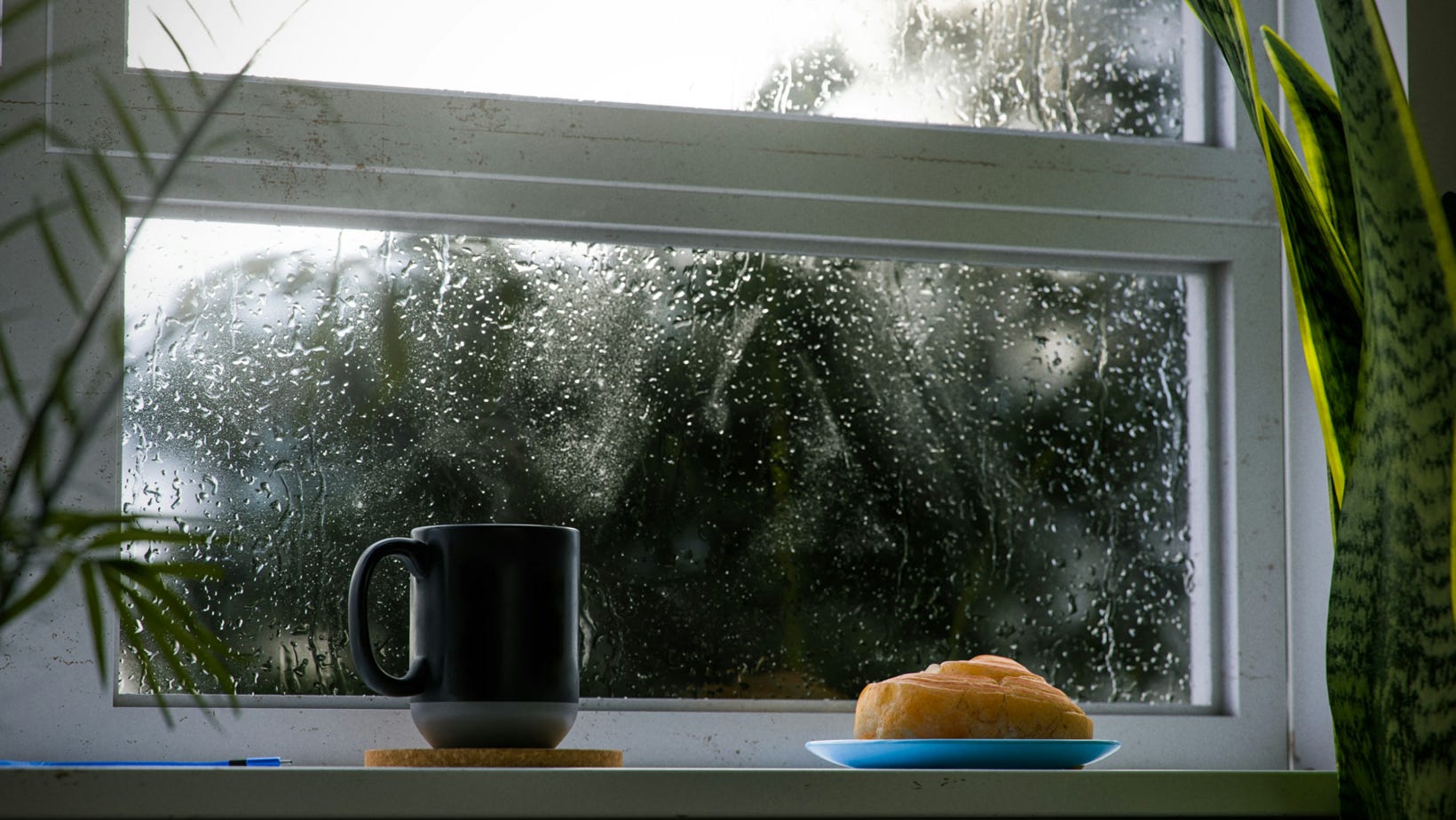
We keep expecting happiness to arrive once we build a throne for it. But usually, it prefers sitting on the couch and staring out the window.
Happiness comes and goes. If you’re not happy all the time, you’re not failing at life. You’re a human being living on planet Earth.
Life Is A Series of Problems
In our culture, at funerals, it’s customary and polite to tell the grieving, “May this be your last sorrow.”
I once heard a man respond, “I certainly hope not because that means I’ll die soon.”
Smart man.
There’s a subconscious and false belief that at some point, life will become stable and easy and stay that way. That happiness is something that happens to you once your ducks are finally in a row.
Mark Manson makes a valuable point in The Subtle Art of Not Giving a F*: life is a series of never-ending problems and sometimes happiness is derived from solving one problem until the next one arrives.
Overcoming an obstacle may bring peace for a short while until the next one knocks on your door.
When we accept this reality, we realize that there will always be reasons to be both happy and unhappy.
Feeling good is not always something that simply happens to us. Sometimes it’s something we have to choose daily, because life will always give us plenty to be upset about.
But we can choose what we focus on. We can choose which problems are worth our energy. We can decide not to hand every irritation the keys to our peace.
Happiness Is Shy
In Jamaica, a guide once showed us the sensitive plant, Mimosa pudica. When you touch its leaves, they fold inward. Pull your hand away, and after a while, they open again.
Happiness is similar. Chase it too aggressively and it retreats.
But when you stop chasing it and start tending to the soil around it—your values, your relationships, your service, your gratitude, your integrity—it has a way of opening quietly.
Conclusion
The problem with “do what makes you happy” isn’t that happiness is bad.
Happiness is beautiful. It’s a gift, a mercy, and a moment of lightness in a life that can feel heavy.
But it’s too fleeting to be the foundation of life.
Maybe the goal is not to capture joy and force it to stay. Maybe the goal is to build a life rooted in meaning, service, faith, gratitude, integrity, and peace.
Instead of “do what makes you happy,” do what’s aligned with your values.
And if happiness comes along the way, let it come.
Happiness is beautiful. But too fleeting to be the foundation of life - that phrasing really resonated with me. It’s not about shunning happiness or chasing it. But witnessing it as a part of life , together with its ups and downs.
I am in a slightly different boat, learning how to let happiness and enjoyment in. I always denied myself. Childhood resistance to all the people who were pleasing themselves a bit too much, took its toll.
Your philosophy, I couldn’t agree more upon. Do what is in your inner core.
Thanks for being a philosophical voice in my life. 🍀🌙